
Best discs for a 5 inch sander
The best discs for a 5-inch sander match your tool’s attachment system, hole pattern, sanding material, and finish requirements. This guide…
Help choosing sandpaper grit and format for wood, paint and refinishing jobs.
The best discs for a 5-inch sander match your tool’s attachment system, hole pattern, sanding material, and finish requirements. This guide…

For most painted wood cabinets, use 180- or 220-grit sandpaper to dull the sheen and improve paint adhesion without creating deep…

For most oak projects, finish with 150-grit sandpaper before staining. Use 120 grit first when the surface needs more leveling, then…

The best paper for removing polyurethane is usually a coarse aluminum oxide or ceramic abrasive, starting around 60 to 80 grit for a thick…

The best sanding sponge for trim should match the profile of the molding, the finish you are removing, and the smoothness you need before…
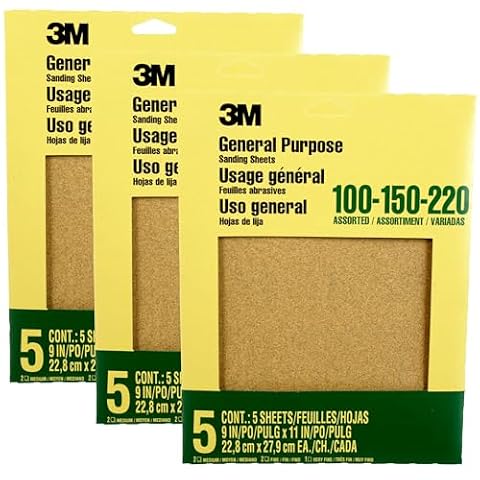
The best sandpaper for paint depends on whether you are stripping old coating, smoothing imperfections, or preparing a surface between…
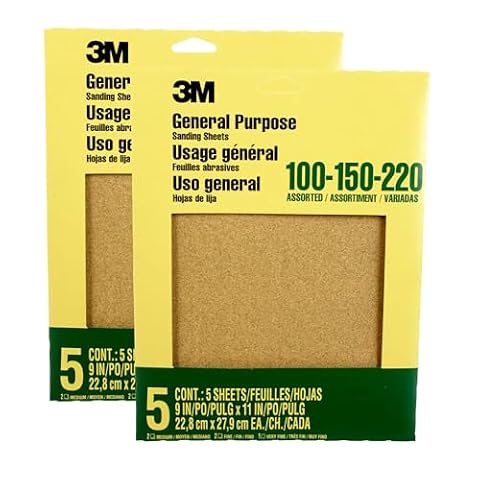
The best sandpaper for wood depends on the surface and task. Use coarse grits for removing material, medium grits for smoothing, and fine…

Open-coat 80-grit sandpaper is a practical starting point for removing rough mill marks, old finish, and uneven areas from resinous…

Ceramic sanding discs usually cost more upfront than aluminum oxide, but their longer working life and faster stock removal can lower the…

Mesh sanding discs can reduce clogging and improve dust extraction compared with ordinary paper, but they are not the right choice for…

A 5-inch 80-120-180 disc pack covers coarse shaping, surface smoothing, and final preparation for many wood and refinishing projects. Check…

A hard, flat sanding block is the safest choice for maintaining a flat tablesaw top. Learn which block styles work, which abrasives to use,…

The best sanding discs for a dust-extracting sander are the ones with a hole pattern that exactly matches the pad. From there, choose the…

A good rubber sanding block should keep a quarter- or half-sheet of sandpaper flat and tight without constant readjustment. Here is what to…

Fine sanding sponges are useful for smoothing primer, especially on profiles, edges, corners, and surfaces where a rigid sanding block can…
A foam interface pad adds a flexible layer between a sanding disc and backing pad, helping the abrasive follow curved or contoured surfaces…

The right 5-inch discs must match your sander’s backing pad and dust-hole pattern. Use coarse grits for material removal, medium grits for…

Sanding discs can save time on powered cabinet sanding, while sheets often cost less for hand sanding, edges, and detail work. Compare…

A sanding block helps keep sandpaper flat and produces a more even finish on doors, tabletops, cabinet panels, and other broad surfaces.…

A sanding sponge conforms more easily than a flat sanding sheet, making it useful for rounded edges, routed profiles, trim, and other…

The best grit sequence depends on whether you are flattening raw wood, preparing for finish, or sanding between finish coats. Use the…

120-grit sandpaper is often the workhorse of a project, so it can disappear faster than expected. Here is how to estimate your supply,…
For most bare wood before stain, finish with 180- or 220-grit sandpaper. Start with a coarser grit only when the surface has scratches, old…

Use coarse sandpaper to remove stubborn paint, but choose the grit based on the paint condition and the surface underneath. Here is a…

An assorted grit pack is useful for furniture refresh projects because different stages need different abrasives. Choose a pack with…
An 80/120/180/220 grit sandpaper pack covers most basic wood preparation, paint, repair, and refinishing jobs. Here is what each grit does…

A sandpaper variety pack can look economical until your project calls for 100 grit and the pack has none. Here’s how to choose the right…
The cheapest abrasive is not always the lowest-cost way to sand a door. Compare discs and sheets by usable sanding area, waste, replacement…
Sandpaper prices vary widely by format, abrasive material, grit, backing, and package size. Here is how to compare the real cost for wood,…
Cheap sandpaper is often worth buying for rough shaping, quick hand sanding, and messy jobs. For finish sanding, paint removal, or harder…

A sanding block paired with 220-grit sheets is a reliable setup for smoothing raised grain and minor imperfections between finish coats…

Stearated 220-grit sandpaper can be a useful between-coat abrasive because its coating helps reduce loading. Use it lightly on a fully dry…

A card scraper followed by 180-grit sanding can be enough on flat, sound wood when you only need to remove light defects and even the…

The best sanding sponge for painted stair spindles is flexible enough to follow rounded profiles but firm enough to level drips and rough…

The right wet-dry paper depends on whether you are leveling imperfections, refining scratches, or preparing a cured finish for polishing.…

A useful sanding sponge set for primer and enamel should cover surface prep, between-coat smoothing, and final touch-ups without removing…

Waterproof wet-and-dry sandpaper is the right choice for smoothing a cured finish with water or another compatible lubricant. Here is how…

A 400 to 800 wet-dry sandpaper pack covers fine smoothing and finishing work on paint, clear coat, metal, plastic, and prepared wood. Here…

Wet-dry paper can smooth a fully cured finish and prepare it for polishing. Start with the least aggressive grit that will work, use a…

Drywall corners need a lighter touch than rough wood sanding. Choose a medium sponge for small compound ridges and a fine sponge for final…

Drywall sanding products are made for joint compound and drywall finishing. A screen, drywall sheet, or sanding sponge is usually a better…

A grit number alone does not tell you how consistently sandpaper will cut. Look for repeated, specific review patterns—and compare products…
A useful sandpaper review explains the material, grit, tool, and task—not just whether the paper lasted or felt smooth.
Fast stock removal can be useful, but it does not tell you whether sandpaper leaves a clean surface, wears evenly, or saves time overall. A…
