Drywall sanding products are made for joint compound and drywall finishing. A screen, drywall sheet, or sanding sponge is usually a better fit than ordinary wood sandpaper.
Drywall sanding products are designed for joint compound and drywall finishing, so they’re not simply interchangeable with ordinary wood sandpaper. Open mesh screens and drywall-specific sheets are less prone to loading up with compound, while sanding sponges are convenient for small areas and edges. Choose by the surface and the size of the job—not just by the grit number.
Why drywall sanding products differ
Joint compound is soft and creates fine dust that can quickly fill the abrasive surface. Drywall sanding screens have an open mesh structure that lets dust pass through more readily. Drywall-specific paper-backed abrasives are another option; their backing and abrasive are sold for drywall work.
Wood sandpaper can work for a small touch-up, but it may clog quickly when used on compound. A clogged abrasive cuts less effectively and can leave uneven marks if you press harder to compensate. Drywall products are not automatically suitable for sanding wood, paint, or other finishes—the abrasive and backing should match the job.
Choose a format for the task
Sanding screen: A practical choice for broad areas of joint compound, especially with a compatible hand or pole sander. Check the sander’s instructions for the correct size and attachment.
Drywall sanding sheets: Useful when you want a paper-backed abrasive or your sander is designed for sheets. Confirm the dimensions and attachment style before buying.
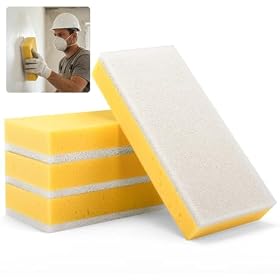
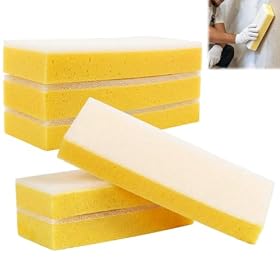
Sanding sponge: Handy for corners, edges, small patches, and light touch-ups. It is easier to control than a large screen, but still requires a light hand.
Ordinary wood sandpaper: Best reserved for small, occasional drywall touch-ups if a drywall-specific abrasive is unavailable. Expect it to load faster.
Product prices and availability are accurate as of the date/time indicated and are subject to change. Any price and availability information displayed on Amazon.com at the time of purchase will apply to the purchase of this product.
Pick grit and sand lightly
Use the grit guidance on the drywall abrasive’s packaging and the finishing instructions for your compound. Grit labels are useful for comparing products within a range, but the number alone does not tell you whether an abrasive is intended for drywall or how it will perform on a particular surface.
Start with the least aggressive option that will level the ridges or marks. If the surface needs further smoothing, switch to a finer abrasive rather than pressing harder. Sand only enough to remove high spots: sanding through the drywall’s face paper can damage the panel and make the repair more difficult.
Product prices and availability are accurate as of the date/time indicated and are subject to change. Any price and availability information displayed on Amazon.com at the time of purchase will apply to the purchase of this product.
Reduce dust and avoid common problems
Wear eye protection and a properly selected dust mask or respirator, and use dust collection or ventilation where appropriate. Follow the sander and abrasive manufacturers’ instructions, especially when connecting a vacuum. Keep sanding pressure light and check your progress often with good lighting.
If the abrasive stops cutting, inspect it for packed-on compound and replace it when cleaning does not restore its performance. If a spot is still uneven, check whether it needs another thin coat of compound rather than more aggressive sanding. For an older painted surface, avoid creating dust until you have considered whether the paint could contain lead; follow appropriate local guidance or consult a qualified professional.
Product prices and availability are accurate as of the date/time indicated and are subject to change. Any price and availability information displayed on Amazon.com at the time of purchase will apply to the purchase of this product.
What to buy
For a large joint-compound area, look for a drywall sanding screen that fits your sander. For a sheet-compatible sander, verify the sheet size and attachment before ordering. A drywall sanding sponge is a useful complement for corners and small repairs.
FAQ
Can I use regular sandpaper on drywall?
You can use it for a small touch-up, but it may clog more quickly on joint compound. A drywall sanding screen or drywall-specific sheet is generally a better fit for larger areas.
Is drywall sanding screen better than drywall sanding paper?
Neither is best for every job. A screen’s open mesh can help dust pass through, while paper-backed abrasives suit sanders designed for sheets. Match the format to your tool and follow its instructions.
What grit should I use for drywall compound?
Follow the compound and abrasive manufacturers’ guidance. Start with the least aggressive grit that levels the surface, use light pressure, and move finer only if needed.
Can sanding damage drywall?
Yes. Heavy pressure or overly aggressive sanding can cut through the drywall face paper. Sand lightly, inspect often, and apply another thin coat of compound if that is safer than removing more material.