Buying a rubber sanding block that actually holds the sheet
A good rubber sanding block should keep a quarter- or half-sheet of sandpaper flat and tight without constant readjustment. Here is what to check before buying one.
What do you need help with?
Open an answer, or tell us what we should cover next.
Answered in this guide
Buy a rubber sanding block that keeps sandpaper tight
Choose a block with a dependable retention system, a sanding face suited to the work, and a size that matches your quarter- or half-sheet paper. End clamps, slots, or hook-and-loop surfaces can each work when properly matched to the abrasive.
End clamps grip folded sheet ends, molded slots retain the paper in channels, and hook-and-loop surfaces attach compatible abrasives. The best option depends on the sheet format you use and how quickly you want to load or replace paper.
Check whether the block accepts the quarter- or half-sheet size you plan to use. A mismatch can leave too much paper loose, prevent proper clamping, or make the sheet wrinkle and slip during sanding.
Use a flat, firmer block for broad flat areas such as doors and tabletops. Choose a contoured or more flexible design when the surface needs more conformity, while keeping enough backing firmness for controlled sanding.
Request a topic and help us choose what to build next.
Choose the right sandpaper grit for the job
Choose between sanding sheets, discs, and sponges
Choose a pad for sanding curved surfaces
Know when to replace worn sandpaper
Requests help us prioritize the next guide. No email required.
One anonymous request per topic.
Buying a rubber sanding block that actually holds the sheet
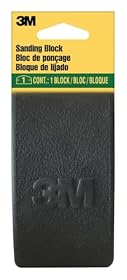
A rubber sanding block holds sandpaper securely when its clamps or slots grip the sheet evenly, the block is slightly flexible without collapsing, and its size matches the paper you plan to use. Before buying, check the clamp design, block dimensions, grip, and whether it is intended for dry or wet sanding.
What a rubber sanding block does
A hand sanding block gives sandpaper a flat backing so pressure is spread across the workpiece. Compared with sanding loose sheets by hand, a block helps:
Keep the abrasive surface flatter
Reduce uneven pressure from your fingertips
Make it easier to sand broad, flat areas
Protect your hand from heat and sharp edges
Use a standard sheet more efficiently by folding or cutting it
Rubber is useful because it can conform slightly to a surface while still supporting the abrasive. It is generally a better choice than a very soft foam block when you want a firm, flat feel.
The most important feature: how the sheet is held
Not all sanding blocks use the same retention system. Look closely at how the paper is installed rather than assuming any block will hold a folded sheet well.
End clamps
End clamps or levers grip the paper at opposite ends of the block. They are usually the most secure option for flat-surface work because the sheet can be pulled tight before both ends are closed.
Check whether the clamps:
Open wide enough for the paper thickness
Hold both ends evenly
Remain closed when pressure is applied
Allow the sheet to be replaced without tearing it
A clamp that is difficult to open may be secure, but it can make changing abrasive inconvenient. A clamp that opens easily but releases during use is not useful, particularly when sanding edges or corners.
Slots or molded retaining channels
Some rubber blocks use slots into which the ends of the sheet are tucked. These can have a low profile and few moving parts, but the channels must match the intended paper size and thickness.
Slots are more likely to hold well when the sheet is cut accurately and pulled tight. If the paper is too short, too thick, or inserted unevenly, one end may work loose.
Hook-and-loop surfaces
A hook-and-loop sanding block is not the same as a traditional sheet-holding rubber block. It requires abrasive with a compatible backing, so ordinary paper sheets may not attach to it.
Choose this style only if you already intend to buy hook-and-loop abrasives. For standard quarter- or half-sheet sandpaper, use a block designed with clamps or retaining slots.
Product prices and availability are accurate as of the date/time indicated and are subject to change. Any price and availability information displayed on Amazon.com at the time of purchase will apply to the purchase of this product.
Match the block to your sandpaper
A common reason a block fails to hold paper is a mismatch between the block and the abrasive format.
Before buying, confirm:
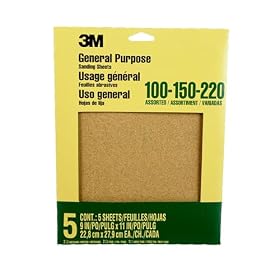
The supported sheet size: Some blocks are designed around a particular full-sheet, half-sheet, or quarter-sheet layout.
The folding pattern: A block may require the sheet to wrap around the long sides, short sides, or both ends.
The paper thickness: Heavy waterproof paper may not fit slots designed for thinner abrasive sheets.
The abrasive backing: Hook-and-loop, adhesive-backed, and plain paper abrasives use different attachment methods.
The block width: A wider block covers more area, while a narrower one is easier to control on trim, edges, and smaller parts.
If the product description does not clearly explain the sheet size or installation method, look for a diagram or manufacturer instructions before purchasing.
Product prices and availability are accurate as of the date/time indicated and are subject to change. Any price and availability information displayed on Amazon.com at the time of purchase will apply to the purchase of this product.
Choose the right block shape and firmness
Flat rectangular blocks
A flat rectangular rubber block is the most versatile option for doors, tabletops, painted panels, and other broad surfaces. It should maintain a reasonably flat sanding face while allowing enough flexibility to avoid feeling harsh on the workpiece.
Contoured or ergonomic blocks
Blocks with rounded sides or a shaped hand grip can be more comfortable during longer sanding sessions. They may be easier to control, but a heavily contoured sanding face is less suitable for creating a consistently flat surface.
Flexible rubber blocks
A flexible block can follow slight curves and molded surfaces. It should still resist folding under normal hand pressure. If the block bends so easily that the abrasive wrinkles, it will make it harder to sand evenly.
Harder blocks
A firmer block is usually preferable when flattening filler, smoothing broad wood surfaces, or preparing a painted panel. It transfers pressure more directly and is less likely to create finger-shaped dips.
For pronounced curves, a flexible sanding sponge or purpose-shaped block may work better than a firm rectangular rubber block.
Product prices and availability are accurate as of the date/time indicated and are subject to change. Any price and availability information displayed on Amazon.com at the time of purchase will apply to the purchase of this product.
Grip and handling details that matter
A block can hold paper well and still be uncomfortable or difficult to control. Look for:
Rounded edges that do not dig into your palm
A surface that remains easy to grip with dusty hands
Clamps that do not sit where your fingers naturally press
A shape that keeps the abrasive face flat
Enough height to keep your hand away from the workpiece
Avoid choosing solely by appearance. A low-profile block may provide better control in tight spaces, while a taller ergonomic block may be more comfortable for larger areas.
Rubber versus foam, cork, and bare-hand sanding
Rubber sanding blocks
Rubber is a good general-purpose choice when you want a firm backing, moderate flexibility, and a reusable block for standard sheets. It is especially useful for flat wood, painted surfaces, and general preparation work.
Foam sanding blocks
Foam conforms more readily to curves and edges. It is convenient for light shaping and detail work, but soft foam can make it harder to keep a broad surface flat. Many foam blocks are also abrasive products themselves rather than sheet holders.
Cork sanding blocks
Cork offers a firm, traditional feel and can be comfortable in the hand. It may be a good option for flat work, but the paper-retention design matters more than the material name. A cork block with poor clamps will not outperform a well-designed rubber block.
Sanding without a block
Hand-sanding with a loose sheet is useful for irregular profiles and areas where a block cannot reach. It is less consistent on broad flat surfaces because finger pressure concentrates in small areas.
When a rubber sanding block is the right purchase
Buy a rubber sheet-holding block when you:
Regularly sand flat or mostly flat surfaces
Want to use inexpensive standard sandpaper sheets
Need more even pressure than loose-hand sanding provides
Prefer a reusable tool rather than disposable sanding sponges
Need a block that can handle several abrasive grits
A sanding sponge or flexible abrasive pad may be a better purchase for rounded trim, carved details, or surfaces with frequent changes in contour.
How to install a sheet so it stays tight
Even a good block can release paper if it is loaded incorrectly.
Cut or fold the sheet to the block’s specified format.
Open both clamps or retaining slots before placing the paper.
Center the sheet so the abrasive covers the sanding face evenly.
Secure one end first, keeping the paper aligned.
Pull the sheet snug across the face without overstretching it.
Secure the opposite end and press the paper flat around the corners.
Check that no loose flap can catch on the workpiece.
Do not force an oversized or unusually thick sheet into a slot. It may damage the retaining channel or cause the paper to release during use.
Troubleshooting a block that will not hold paper
The paper slips from one end
Remove the sheet and check for sawdust, paint, or abrasive buildup inside the clamp or slot. Clean the retention area, then reload the sheet with both ends aligned. If the clamp still opens under light hand pressure, the retention mechanism may be worn or defective.
The paper wrinkles in the middle
The sheet may be too loose, incorrectly folded, or installed off-center. Reinstall it while keeping the abrasive face flat. Wrinkling can also indicate that the block is too flexible for the job.
The corners tear quickly
Check whether the paper extends past the block or catches on the workpiece. Trim the sheet correctly and round or smooth any exposed corners if the block design permits it. Excessive pressure and sanding sharp edges can also tear the abrasive.
The block feels slippery
Dust or finish residue may be covering the grip surface. Clean it according to the manufacturer’s instructions and allow it to dry. If the material itself has become hard, cracked, or glossy, replacement is generally more practical than trying to restore its grip.
The block sands unevenly
Inspect the sanding face for warping, deep wear, or embedded debris. Replace the block if it no longer supports the paper evenly. Also check your pressure: pushing harder on one side can create an uneven surface even with a flat block.
When to replace the block
Replace a rubber sanding block when its clamps no longer stay closed, retaining slots have stretched or cracked, the sanding face has warped, or the rubber has hardened and split. A replacement block is inexpensive compared with the time lost repeatedly repositioning paper or correcting uneven sanding.
If the block still holds paper securely but the abrasive wears out quickly, replace the sandpaper rather than the block. Match the grit to the job: coarser grits remove material faster, while finer grits are used for smoothing and between-coat preparation.
FAQ
What size sandpaper does a rubber sanding block use?
It depends on the block design. Some use a folded full sheet, while others are made for half-sheet or quarter-sheet pieces. Check the manufacturer’s stated sheet size and folding instructions before buying.
Are rubber sanding blocks better than sanding sponges?
Neither is universally better. A rubber block with sheet-retaining clamps is usually better for broad, flat surfaces and controlled pressure. A sanding sponge is more convenient for curves, edges, and contoured work.
Why does sandpaper keep coming loose from my sanding block?
Common causes include incorrect sheet size, an improper fold, dust inside the clamps or slots, a sheet that is too thick, or worn retaining hardware. Clean the holder and reload the paper correctly. Replace the block if the mechanism no longer grips securely.
Can I use wet sandpaper in a rubber sanding block?
Only if the block and its retention mechanism are suitable for wet use. Follow the manufacturer’s instructions, keep water away from unsuitable components, and allow the block to dry properly after use.
Should I buy a hard or flexible sanding block?
Choose a firmer block for flattening broad wood or painted surfaces. Choose a more flexible block for slight curves and contoured areas, as long as it still keeps the abrasive flat enough for the finish you need.