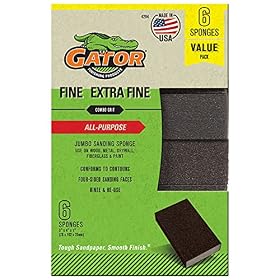
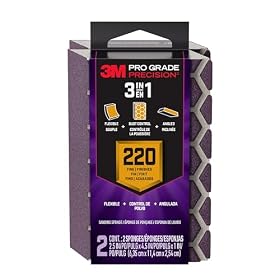
Abrasive sponge dual-grit versus two separate sponges
A dual-grit abrasive sponge saves space and makes grit changes convenient, while two separate sponges offer cleaner grit control and less risk of cross-contamination. The better choice depends on how often you switch grits and how important a consistent finish is.
A dual-grit abrasive sponge is convenient because two abrasive surfaces are built into one block. However, two separate sanding sponges give you better control over grit contamination, surface condition, and replacement. For quick touch-ups and occasional projects, a dual-grit sponge is often the simpler choice. For refinishing, detailed woodworking, or jobs that require a clean progression between grits, separate sponges are usually easier to manage.
How the two options differ
Dual-grit abrasive sponge
A dual-grit sponge has a different abrasive grit on each side or surface. You turn the sponge over when you want to change from a coarser abrasive to a finer one.
Its main advantages are:
One compact tool covers two sanding steps.
It is easy to carry and store.
The solid foam core is comfortable for hand sanding.
You are less likely to misplace one of the grits.
It works well for quick repairs and small projects.
The main limitation is that the two grits share the same body. Dust and loose abrasive can transfer from one side to the other, especially if you handle the sponge with dusty hands or store it without cleaning it.
Two separate sanding sponges
With two separate sponges, each block has one grit or one intended sanding stage. You can keep the coarse and fine sponges apart and use each only where it belongs.
The advantages include:
Cleaner separation between sanding stages.
Easier identification when several grits are involved.
A replacement can be purchased for only the grit that wears out.
Each sponge can be dedicated to a specific material or finish.
Less chance of carrying coarse particles into a final smoothing pass.
The tradeoff is extra storage and handling. Two sponges also take up more space in a toolbox and may cost more initially than one dual-grit block.
Choose a dual-grit sponge when convenience matters most
A dual-grit sponge is a practical choice for small woodworking repairs, painted trim, drywall touch-ups, craft projects, and occasional furniture maintenance. It is particularly useful when you expect to switch between only two stages, such as smoothing a rough area and then softening the scratches with a finer surface.
It also makes sense when:
You are working in a small area.
You want one compact sanding tool.
The finish does not require a highly controlled sanding sequence.
You are sanding by hand and want a flexible block that is easy to hold.
You do not expect either grit to wear out quickly.
A dual-grit sponge is not automatically worse for finishing. It simply requires more care. Brush or tap off loose dust before changing sides, and avoid placing the abrasive face on a dirty workbench.
Product prices and availability are accurate as of the date/time indicated and are subject to change. Any price and availability information displayed on Amazon.com at the time of purchase will apply to the purchase of this product.
Choose two separate sponges when finish control matters
Separate sponges are better for projects where the sanding sequence affects the final appearance. This includes furniture refinishing, visible wood surfaces, repair areas that will be painted or stained, and any job where coarse scratches must be removed before the final coat.
Separate sponges are also useful when:
You need more than two grits.
You are working on several materials.
You want one sponge for bare wood and another for painted or finished surfaces.
You need to replace only one worn abrasive.
You want to keep a fine sponge free from coarse sanding dust.
For a professional-looking finish, the important issue is not just whether the sponge is dual-grit or single-grit. The abrasive progression must also be appropriate. Moving from a very coarse grit directly to a fine grit can leave scratches that the finer surface cannot efficiently remove. Follow the grit sequence recommended for the material and finish you are sanding.
Product prices and availability are accurate as of the date/time indicated and are subject to change. Any price and availability information displayed on Amazon.com at the time of purchase will apply to the purchase of this product.
Grit separation and cross-contamination
Cross-contamination occurs when coarse abrasive particles or sanding dust get onto a finer sanding surface. Those particles can create deeper scratches during the supposedly fine sanding step.
The risk is higher with a dual-grit sponge because both grits are attached to the same block. It is not usually a major issue for rough preparation, but it matters more on clear-coated wood, stain-ready surfaces, and final smoothing work.
To reduce the risk with either format:
Shake or brush dust from the workpiece before changing grits.
Tap the sponge clean, following the product instructions.
Keep the fine abrasive away from dusty benches and toolboxes.
Do not use a sponge that has picked up loose coarse grit for a final finish.
Sand with light, even pressure rather than forcing the abrasive into the surface.
Do not wash an abrasive sponge unless its manufacturer specifically says it is washable. Water can affect the foam, adhesive, or abrasive coating.
Product prices and availability are accurate as of the date/time indicated and are subject to change. Any price and availability information displayed on Amazon.com at the time of purchase will apply to the purchase of this product.
Durability and replacement cost
A dual-grit sponge can be economical if both sides wear at a similar rate. In real projects, though, one grit may do most of the work. If the coarse side wears out while the fine side is still usable, part of the dual-grit product is no longer useful to you.
Separate sponges provide more flexible replacement. You can replace the coarse sponge, fine sponge, or another grit independently. This can reduce waste when one sanding stage is used much more than another.
Durability depends on the wood, coating, pressure, dust load, and abrasive material. Heavy pressure usually does not make sanding faster; it can clog the abrasive, deform the foam, and wear the sponge unevenly.
Shape and flexibility considerations
Sanding sponges conform better than flat sheets when you are working around rounded edges, profiles, or lightly contoured surfaces. A dual-grit design retains this advantage, but its two-sided layout may make it less convenient when you need to hold a particular edge or corner.
Separate sponges may be preferable when you want different shapes or densities for different tasks. For example, one block might be used on broad flat areas while another is reserved for edges or contours. Check the product description for the sponge shape and firmness rather than assuming all abrasive sponges feel the same.
Which should you buy?
Choose a dual-grit abrasive sponge if you want a compact, convenient option for occasional repairs, small painted surfaces, light woodworking, or general household touch-ups.
Choose two separate sanding sponges if you are refinishing furniture, preparing visible wood for paint or stain, using a controlled grit progression, or trying to prevent coarse dust from reaching a fine sanding surface.
If you are unsure, separate sponges are the safer choice for finish-sensitive work. The added storage is minor compared with the risk of putting coarse scratches into a surface that is nearly ready for paint, stain, or clear finish.
Tips for better results with either option
Confirm the grit before starting; color coding is not universal.
Test the abrasive on an inconspicuous area when the surface or coating is unknown.
Sand with the grain on wood during the final passes.
Use lighter pressure as you move to finer grits.
Remove dust between grit changes and before applying a coating.
Replace a sponge when the abrasive is smooth, clogged, torn, or no longer cuts evenly.
Wear appropriate eye protection and respiratory protection when sanding creates airborne dust, and follow the coating or material safety instructions.
FAQ
Is a dual-grit sanding sponge as good as two separate sponges?
It can be just as useful for basic sanding, but two separate sponges provide better control when you need a clean change between coarse and fine grits. A dual-grit sponge is mainly a convenience and storage advantage.
Can I use both sides of a dual-grit sponge on the same project?
Yes, as long as the grits suit the project. Remove dust before switching sides, and keep coarse particles away from the finer abrasive to reduce scratching.
Are separate sanding sponges better for furniture refinishing?
Usually. Separate sponges make it easier to maintain a consistent grit progression and keep coarse sanding dust away from the final smoothing stage.
When should I replace an abrasive sanding sponge?
Replace it when the abrasive surface is visibly smooth, clogged, torn, uneven, or no longer removes material effectively with light pressure. A sponge that has lost its shape may also produce inconsistent results.