Mesh abrasive and paper sandpaper can both work on painted surfaces, but they behave differently. Mesh is usually the better choice for heavy sanding and dust extraction, while paper is often more economical for light smoothing and hand work.
Mesh abrasive and paper sandpaper can both sand paint successfully. Mesh abrasive is usually the better choice for heavier sanding, power sanding, and jobs where dust extraction matters. Paper sandpaper is often the simpler, less expensive option for light smoothing, detail work, and occasional hand sanding. The right choice also depends on the abrasive grit, backing, tool, and condition of the paint.
Mesh abrasive versus paper at a glance
Feature
Mesh abrasive
Paper sandpaper
Dust control
Often works well with vacuum extraction because dust can pass through the mesh
Depends on the paper's hole pattern and the sander's extraction system
Clogging
Usually less prone to clogging, especially on coatings and filler
More likely to clog when sanding soft paint, primer, or residue
Durability
The open mesh structure can remain usable after some loading and may be washable, depending on the product
Can wear, tear, or load up more quickly, depending on the coating and pressure
Hand sanding
Flexible and easy to fold, but can feel less rigid
Familiar and easy to cut, fold, or wrap around a block
Cost
Often costs more per sheet or disc
Usually the lower-cost option
Best use
Paint removal, larger surfaces, power sanding, and dust extraction
Light smoothing, edges, detail work, and small repairs
These are general tendencies, not guarantees. A high-quality paper abrasive may outperform a low-quality mesh product, and a poorly matched grit can cause problems with either format.
When mesh abrasive is the better choice
Heavy paint and primer removal
Mesh abrasives are useful when you need to remove several layers of paint, rough primer, filler, or other coating material. The open backing gives sanding debris somewhere to go instead of packing the entire abrasive surface as quickly.
Use an appropriate coarse grit for removal, then move through progressively finer grits before applying new primer or paint. Avoid using excessive pressure. Pressing hard can flatten the abrasive, create uneven wear, and leave deeper scratches that require additional finishing.
Power sanding with dust extraction
Mesh discs and sheets are particularly useful with random orbital sanders or other compatible sanders connected to a vacuum. The open structure can allow dust to move through more of the abrasive surface instead of relying only on perimeter holes.
Check that the mesh format matches the tool's attachment system and size. A mesh disc that does not sit flat or align properly can reduce sanding performance and may damage the hook-and-loop pad.
Paint that quickly loads ordinary paper
Soft paint, partially cured coatings, primer, and old finish can clog conventional paper quickly. If the abrasive surface becomes coated, it may stop cutting effectively and can start rubbing rather than sanding.
Mesh is often worth considering when frequent paper changes are slowing the job. It may not eliminate loading completely, particularly on gummy coatings, but its open construction can make loading less disruptive.
Mesh abrasive sheets for hand sanding painted surfaces
Product prices and availability are accurate as of the date/time indicated and are subject to change. Any price and availability information displayed on Amazon.com at the time of purchase will apply to the purchase of this product.
When paper sandpaper is the better choice
Light smoothing and between-coat sanding
Paper is usually adequate for smoothing minor roughness, feathering a repaired area, or lightly scuffing an existing painted surface before recoating. Fine-grit paper is commonly used for this type of controlled preparation.
Use light pressure and keep the abrasive moving. The purpose of between-coat sanding is normally to remove dust nibs and improve adhesion, not to strip the existing coating down to the substrate.
Small areas and hand sanding
Paper sheets are convenient for sanding corners, narrow trim, edges, and small repairs. You can fold a sheet, cut it into smaller pieces, or use it with a sanding block for a flatter surface.
A sanding block helps prevent your fingers from creating low spots, especially on broad flat areas. For profiles and intricate trim, a flexible abrasive or sanding sponge may follow the shape more easily than a rigid block.
Occasional or low-cost work
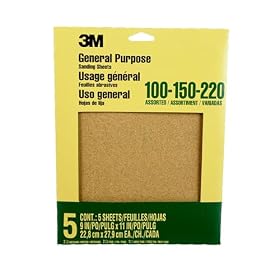
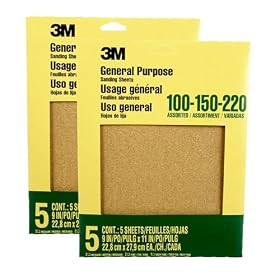
If you only need to prepare a few painted surfaces, paper may provide the best value. It is widely available in different grits and formats, and replacing a loaded sheet is straightforward.
Paper is also a practical choice when you are sanding by hand without a vacuum. In that situation, the dust-extraction advantage of mesh may be less important.
Mesh abrasive discs for paint removal with a random orbital sander
Product prices and availability are accurate as of the date/time indicated and are subject to change. Any price and availability information displayed on Amazon.com at the time of purchase will apply to the purchase of this product.
Which one is better for paint removal?
For substantial paint removal, choose mesh when you are using a compatible power sander, want better dust management, or expect the abrasive to load quickly. Choose paper when the area is small, the work is mostly by hand, or low material cost matters more than extended abrasive life.
For thick, loose, or peeling paint, first remove what you can with a scraper or another method approved for the coating and surface. Sanding is usually better for leveling edges and preparing the remaining finish than for doing all the removal by itself.
If the paint may contain lead or another hazardous substance, do not sand it casually. Follow applicable regulations and product guidance, use appropriate containment and respiratory protection, and consider a qualified professional.
Product prices and availability are accurate as of the date/time indicated and are subject to change. Any price and availability information displayed on Amazon.com at the time of purchase will apply to the purchase of this product.
Which one is better for sanding before repainting?
For a sound painted surface that only needs scuffing, either format can work. Paper is usually sufficient for small areas and hand sanding. Mesh becomes more attractive on larger surfaces or when using a dust extractor.
The key is selecting a grit that removes surface defects without creating scratches that remain visible through the new paint. Start with the least aggressive grit that will accomplish the task. After sanding, remove dust according to the paint manufacturer's instructions and allow the surface to dry before coating.
Do not assume that a finer grit always produces better adhesion. An excessively smooth, polished surface may not provide the texture required by the new coating. Follow the primer and paint manufacturer's preparation requirements.
Paint-sanding block for flat surfaces and between-coat sanding
Product prices and availability are accurate as of the date/time indicated and are subject to change. Any price and availability information displayed on Amazon.com at the time of purchase will apply to the purchase of this product.
Grit matters more than the backing alone
Mesh versus paper is only one part of the decision. Grit selection has a major effect on the result:
Coarse grits: Used for faster removal of paint, rough material, or pronounced defects. They leave deeper scratches and usually require follow-up sanding.
Medium grits: Used for leveling, feathering repairs, and preparing moderately rough painted surfaces.
Fine grits: Used for smoothing and light between-coat sanding. They remove less material and can clog sooner on soft coatings.
Avoid jumping directly from a very coarse grit to a very fine grit. The finer abrasive may not remove the deeper scratches left by the coarse one. Use a progression that matches the surface and inspect your work between stages.
Practical buying checklist
Before choosing mesh or paper, check:
Tool compatibility: Confirm the disc or sheet size, attachment method, hole pattern if relevant, and backing type.
Grit range: Make sure the product includes the grit needed for both removal and finishing, or buy the stages separately.
Dust extraction: Mesh has the greatest advantage when the sander and vacuum are designed to work together.
Coating condition: Gummy or soft paint favors a less-clogging abrasive, while a hard, stable coating may not require mesh.
Surface shape: Use a block or suitable flexible abrasive on flat areas, and avoid rounding edges unintentionally.
Material compatibility: Confirm that the abrasive is suitable for painted wood, metal, drywall compound, or the other surface you are preparing.
Bottom line
Choose mesh abrasive for larger painted surfaces, heavy sanding, power sanding with extraction, or coatings that load ordinary paper quickly. Choose paper sandpaper for light smoothing, small repairs, detail work, and economical hand sanding.
If you are unsure, paper is a reasonable starting point for a small, controlled repair. For a large paint-preparation job, especially one involving a vacuum-equipped sander, mesh may save time by improving dust flow and reducing abrasive clogging.
FAQ
Does mesh abrasive sand paint better than paper?
Not automatically. Mesh often handles dust and loading better, especially with power sanding, but the grit, abrasive quality, pressure, and paint condition have a larger effect on cutting performance.
Can mesh abrasive be washed after sanding paint?
Some mesh abrasives can be cleaned or rinsed, but not all products are intended to be washed. Follow the manufacturer's cleaning instructions and allow the abrasive to dry fully before reuse.
Is paper sandpaper good for sanding between coats of paint?
Yes. Paper is commonly suitable for light between-coat sanding, particularly on small areas. Use a fine or otherwise manufacturer-recommended grit and sand lightly enough to remove roughness without exposing the underlying surface.
Why does sandpaper clog when sanding paint?
Soft, gummy, partially cured, or heat-softened paint can fill the abrasive spaces. Excessive pressure can also generate heat and increase loading. Use lighter pressure, clean or replace the abrasive, and consider a less-clogging mesh product.
Should I use a sanding block on painted wood?
A sanding block is helpful on flat painted wood because it distributes pressure and reduces finger-shaped low spots. For trim, curves, and profiles, use a flexible abrasive or sanding sponge that fits the shape.