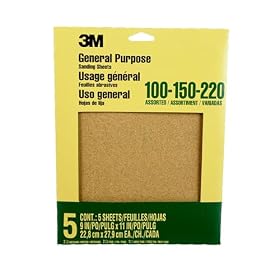
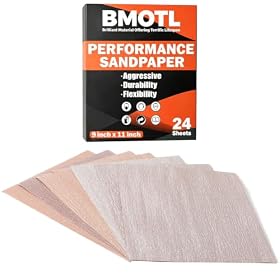
Metal and wood can sometimes be sanded with the same abrasive, but the right paper depends on the material, the finish you want, and whether the paper is made for wet sanding.
Why sandpaper for metal and wood can differ
Sandpaper is not all the same. The abrasive mineral, grit, coating, and backing affect how it cuts and how quickly it clogs. Some products work on both metal and wood, but using paper suited to the job usually gives more predictable results.
Wood sanding removes fibers and smooths a surface. Metal sanding may need to remove rust, paint, or oxidation, or refine scratches in the metal itself. Metal can also load paper with residue, while resin or paint on wood can clog it.
Product prices and availability are accurate as of the date/time indicated and are subject to change. Any price and availability information displayed on Amazon.com at the time of purchase will apply to the purchase of this product.
Choose the abrasive for the material
Aluminum oxide is a versatile choice for many wood and metal jobs. It is widely available in sheets and discs, and is often a practical starting point when you need one paper for general-purpose sanding.
Silicon carbide is commonly used in wet/dry paper and fine finishing work on metal, paint, and other hard surfaces. Use it wet only if the product is specifically labeled for wet sanding, and follow the surface or coating manufacturer’s instructions.
Garnet is often used for hand-sanding wood, especially when preparing it for a finish. It wears more quickly than some synthetic abrasives, so it may not be the best choice for heavy material removal.
The abrasive label is a guide, not a guarantee that the paper suits every metal, coating, or wood finish. Check the package for the intended material and sanding method.
Product prices and availability are accurate as of the date/time indicated and are subject to change. Any price and availability information displayed on Amazon.com at the time of purchase will apply to the purchase of this product.
Match the grit to the job
Grit numbers describe particle size: lower numbers cut more aggressively, while higher numbers leave finer scratches. A practical starting range is:
Coarse removal: around P80–P120 for removing material, old coating, or heavier surface marks. Start less aggressively if you are unsure; coarse paper can leave scratches that take time to remove.
Smoothing wood: around P150–P220 for many between-step or pre-finish sanding tasks. Follow the finish manufacturer’s instructions, since some finishes call for a particular final grit.
Refining metal: around P180–P320 for reducing scratches or smoothing a surface after heavier sanding. Finer work may require higher grits, especially when preparing for polishing.
These are starting points, not fixed rules. The metal type, wood species, coating, tool, and desired finish all affect the right grit. Move through grits in steps, and remove the scratches from the previous grit before moving finer.
Avoid clogging and cross-contamination
On resinous wood, painted surfaces, or other materials that quickly load paper, look for paper described as open-coat or anti-clog. Check that any coating or lubricant is compatible with the finish you plan to apply; when in doubt, follow the finish maker’s guidance.
Keep metal-sanding paper separate from paper used for finishing wood. Metal particles or residue can leave marks in wood, and used paper may scratch a surface unpredictably. Clear dust from the workpiece and sanding area before switching materials.
Choose the paper format and work safely
Sheets are convenient for hand sanding and can be wrapped around a sanding block for a flatter, more even surface. Discs should match the sander’s diameter and attachment system; do not force an incompatible disc onto a tool. For wet sanding, use only paper and tools intended for that method, and keep water away from equipment that is not designed for wet use.
Wear eye protection and suitable respiratory protection, and control dust where possible. Sanding metal with power tools can create sparks, so keep the work away from flammable materials and follow the tool and abrasive manufacturers’ safety instructions. Do not sand an unknown old coating until you know whether it may contain hazardous materials such as lead.
For a general-purpose purchase, start with aluminum-oxide paper labeled for your material and task. Choose dedicated wet/dry or finer silicon-carbide paper for metal finishing when the label calls for it, and use wood-appropriate paper for preparing timber for a finish.
FAQ
Can I use the same sandpaper on metal and wood?
Sometimes. Aluminum-oxide paper labeled for both materials can handle many general jobs. Use paper suited to the specific task, and keep paper that has touched metal separate from paper used to finish wood so residue does not scratch or mark the wood.
Is silicon carbide or aluminum oxide better for sanding metal?
Both can be suitable. Aluminum oxide is a versatile choice for many general sanding jobs; silicon carbide is common in wet/dry paper and fine finishing. Check the product label for the metal and method you are using.
What grit should I use to sand metal before painting?
It depends on whether you are removing rust or old paint, smoothing scratches, or preparing an intact coating. Start with the least aggressive grit that will do the job, then follow the paint manufacturer’s surface-preparation instructions.
Should I sand wood with very fine sandpaper before staining?
Not automatically. The appropriate final grit depends on the wood and stain; sanding too fine can affect how some stains absorb. Follow the stain manufacturer’s instructions and test on a concealed area or scrap first.