A chemical deglosser can be an alternative to a light 220-grit scuff sand on intact, glossy wall paint—but it is not a one-for-one replacement for sanding. Deglosser can dull a compatible finish without sanding dust; 220-grit paper mechanically abrades the surface and can smooth small imperfections. Neither option fixes peeling paint or poor surface preparation.
Comparisons · Tue Sep 15
Chemical deglosser as an alternative to 220 on walls
A chemical deglosser can reduce the need to sand sound, glossy paint, but it won’t smooth rough spots or repair peeling. Choose based on the wall’s condition and the product label.
When a deglosser can substitute for 220 grit
Consider a deglosser when the existing paint is sound and you mainly need to reduce its gloss before repainting. It may be useful where sanding dust is undesirable, provided the product label specifically allows use on the existing coating and wall surface.
Clean the wall first: deglosser is not automatically a substitute for washing away dirt, grease, or residue. Follow the label for application, dwell time, wiping, drying, ventilation, and protective equipment. Test a small, inconspicuous area and let it dry before judging the result or applying new paint.
Chemical deglosser for wall-paint preparation
 PRESTIGE Paints Interior Paint and Primer in One, 1 Gallon, Semi-Gloss, WhitePRESTIGE
$49.99 as of
View on Amazon
Product prices and availability are accurate as of the date/time indicated and are subject to change. Any price and availability information displayed on Amazon.com at the time of purchase will apply to the purchase of this product.
When 220-grit sanding is the better choice
Use 220-grit sandpaper for a light mechanical scuff on paint that is firmly attached, or to feather minor edges and smooth small surface irregularities. It is a fine abrasive, so it is intended for light preparation—not removing thick paint, leveling deep damage, or stripping a wall.
Use light pressure and avoid sanding through the finish. Remove sanding dust before priming or painting, following the coating manufacturer’s preparation instructions. If you need to smooth more substantial flaws, choose an abrasive and repair process appropriate to the material and damage rather than relying on 220 grit alone.
220-grit sandpaper for wall prep
 3M Sandpaper, 220 Grit, 5 Sheets, 9 x 11 in, Very Fine Aluminum Oxide3M
$5.20 as of
View on Amazon Sandpaper Sheets General Purpose 220 Grit, Very Fine, 9”x11” - 20 SheetsVirginia Abrasives
$10.65 as of
View on Amazon 3M Sandpaper, 220 Grit, 5 Sheets, 9 in x 11 in, Sands Paint, Wood &…3M
$9.99 as of
View on Amazon
Product prices and availability are accurate as of the date/time indicated and are subject to change. Any price and availability information displayed on Amazon.com at the time of purchase will apply to the purchase of this product.
When neither option is enough
If paint is peeling, blistered, chalky, or loose, a deglosser will not make it sound, and a quick scuff sand will not correct the underlying problem. Identify and address the cause, remove loose coating as appropriate, and follow paint or primer instructions for repair. For extensive failure, get advice from a qualified painting professional.
If the home may contain lead-based paint, particularly in older housing, do not dry-sand or disturb the coating casually. Follow applicable lead-safe requirements or hire a qualified professional.
Fine-grit sanding sponge for wall edges and corners
 3M Drywall Sanding Sponge, Fine/Medium Grits, 2.63 x 3.75 in3M
$4.98 as of
View on Amazon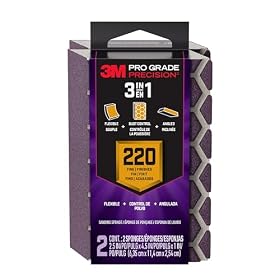 3M Pro Grade Precision 3-in-1 Sanding Sponge, 220 Grit Fine, 2 Sponges, Washable & Reusable,…3M
$9.73 as of
View on Amazon INBOF 12 Pack Sanding Block, 60/80/120/220 Grit Sanding Sponge, Washable and Reusable Sandpaper Block, Sandpaper…INBOF
$6.79 as of
View on Amazon
Product prices and availability are accurate as of the date/time indicated and are subject to change. Any price and availability information displayed on Amazon.com at the time of purchase will apply to the purchase of this product.
Choose between deglosser and sanding
- Sound, glossy paint; dust is a concern: A compatible deglosser may be suitable if its label permits it.
- Small rough spots or paint edges to feather: Light sanding with 220 grit gives more direct control.
- Peeling, damaged, or poorly bonded paint: Repair the surface first; neither method alone is enough.
- Uncertain coating or compatibility: Test a small area and check the deglosser, primer, and paint instructions before treating the whole wall.
Whichever method you choose, the new coating’s instructions take priority. Some paint systems specify a particular cleaning, abrasion, or primer step.
FAQ
Does a deglosser work as well as 220-grit sandpaper?
Not in every situation. A compatible deglosser can dull glossy paint, but it does not smooth rough areas or physically feather paint edges the way sanding can.
Do I need to wash a wall before using deglosser?
Usually, the wall should be clean before coating, and deglosser should not be assumed to remove all dirt or grease. Follow its label and the paint manufacturer’s preparation instructions.
Can I use a deglosser on peeling wall paint?
No. Deglosser does not repair loose or failing paint. Address the coating failure and prepare the surface according to the repair and paint instructions.
Is 220 grit coarse enough to remove old wall paint?
220 grit is generally used for light scuffing and fine surface preparation, not efficient paint removal. Follow the coating instructions and use a suitable removal method for the job.